
"Harar Mocha"
300 article(s) found

Ethiopian coffee beans, coffee beans
Ethiopia is home to Arabica coffee, and it is in the forests of the Kaffa region that you can see Arabica coffee growing wild. In Ethiopian, coffee is called Bun or Buna, and coffee beans may be translated from Kaffa Bun. Arabica coffee was discovered early in the Harar region, most likely from Karachi.

Harald Coffee grows one of the highest elevation areas of coffee
Harald (Harar) is 1600 meters above sea level, and the Harald Heights in eastern Ethiopia is one of the highest elevation areas for human coffee cultivation (some even claim to be as high as 2000 Murray 2,700 meters). Across the Gulf of Aden, overlooking the two ports of Moka and Aden in Yemen. For centuries, Harald coffee farmers carried coffee beans down the mountain with camels, donkeys or carriages, risking being besieged by hyenas.

African coffee flavor beans Harald Coffee Flavor cultivated in eastern Ethiopia
Harald (Harar) is 1600 meters above sea level, and the Harald Heights in eastern Ethiopia is one of the highest elevation areas for human coffee cultivation (some even claim to be as high as 2000 Murray 2,700 meters). Across the Gulf of Aden, overlooking the two ports of Moka and Aden in Yemen. For centuries, Harald coffee farmers carried coffee beans down the mountain with camels, donkeys or carriages, risking being besieged by hyenas.

Introduction of Harald High quality Coffee-- Harald Coffee Harald Coffee taste Hara
Harald (Harar) is 1600 meters above sea level, and the Harald Heights in eastern Ethiopia is one of the highest elevation areas for human coffee cultivation (some even claim to be as high as 2000 Murray 2,700 meters). Across the Gulf of Aden, overlooking the two ports of Moka and Aden in Yemen. For centuries, Harald coffee farmers carried coffee beans down the mountain with camels, donkeys or carriages, risking being besieged by hyenas.
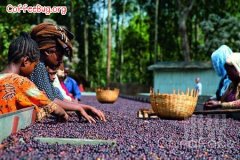
Harald Coffee one of the highest elevation areas of coffee cultivated in Ethiopia
Harald (Harar) is 1600 meters above sea level, and the Harald Heights in eastern Ethiopia is one of the highest elevation areas for human coffee cultivation (some even claim to be as high as 2000 Murray 2,700 meters). Across the Gulf of Aden, overlooking the two ports of Moka and Aden in Yemen. For centuries, Harald coffee farmers carried coffee beans down the mountain with camels, donkeys or carriages, risking being besieged by hyenas.

World Fine Coffee beans: an introduction to Harald Coffee in Eastern Ethiopia
For centuries, Harald coffee farmers, using camels, donkeys or horse-drawn carriages, risked being besieged by hyenas to the downhill port of Djibouti, and then shipped them to the Yemeni port of Moka to European countries. Harald (Harar) is 1600 meters above sea level, and the Harald Heights in eastern Ethiopia is one of the highest elevation areas for human coffee cultivation.

ESPRESSO Baking Tips start with mixed beans Coffee mix
Understanding the significance of baking degree and knowing their flavor performance after extraction is the key to ensure the performance quality in the highest cup. Generally speaking, the deeper the roasting, the more the acidity decreases and the bitterness increases, but the deeper the roasted coffee beans, the longer the flavor of the extract lasts. The deep-roasted espresso tastes sweet, but the other flavors of the coffee beans are special.
The Origin of Coffee in the World an introduction to the coffee bean producing areas in Ethiopia
Ethiopia is the hometown of Arabica coffee, and it is in the forests of Kaffa that you can see wild Arabica coffee. In Ethiopian, coffee is called Bun or Buna, and coffee beans (coffeebean) may be translated from Kaffa Bun. Arabica coffee was discovered early in the Harar area and is likely to come.

Introduction to the unique flavor and taste characteristics of Ethiopian coffee manor
A large amount of coffee production (95%) is done by small shareholders, with an average yield of 561 kg per hectare. For centuries, minority holders of Ethiopian coffee farms have been producing a variety of high-quality types of coffee. The secret of producing high-quality coffee is that coffee growers have developed environmental conditions through generations of repeated learning about the coffee planting process.

The highest coffee flavor in Ethiopia introduces the coffee quality in the Harald Highlands.
For the exchange of professional baristas, please follow the coffee workshop (Wechat official account cafe_style) Harald (Harar) is 1600mur2400 meters above sea level, and the Harald Heights in eastern Ethiopia is one of the highest elevation areas for coffee grown by humans (some even claim to be as high as 2000mur2700 meters). Across the Gulf of Aden, overlooking the two ports of Moka and Aden in Yemen. For centuries, Harald coffee farmers have used camels

Introduction to the differences and characteristics of deep roasting and shallow baking of coffee beans
The difference and characteristics of deep roasting and light roasting of coffee beans introduce the origin of Ethiopian century-old coffee TOMOCA mocha beans: Ethiopia Ethiopia cooked beans, harar-long bean roasted very authentic, full-bodied and irritating. Coffee roasting is very interesting, easy to learn but not easy to go deep into. It is a field that is easy to learn but difficult to master. Humans have thousands of things about wine and tea.
Introduction of Coffee Rose Summer Coffee of death wish Coffee in Sidamo, Ethiopia
The main producing areas of Ethiopian coffee are Harald (Harar) in the east, Djimmah (southwest) and Sidamo (south). The unique fragrance of Yirgacheffe comes from Yirga, a small town in the northwest of Sidamo province. Yirgacheffe coffee raw beans are the world

A brief introduction to the boutique coffee manor; a detailed introduction of coffee beans in Ethiopia (mocha)
The characteristics of Ethiopian coffee: the geographical environment of Ethiopia is very suitable for coffee growth. Mocha coffee is mainly grown in the southern highlands between 1100 and 2300 meters above sea level. The main coffee producing areas are Harald (Harar), Limu (Limu), Djimma (Djimma), Sidamo (Sidamo), Kaffa (Kafa), Yergacheffe (Yega Snow) and Wolai.
Coffee grade
Country of Origin: Indicates the region where coffee is produced. For example, Ethiopia. Harar "indicates that the product was produced in Harar, Ethiopia. It should be noted here that the name of the country is the same, but the region and year are different, the quality of coffee is different, and the taste of coffee cannot be guaranteed to be consistent.

The origin of Sidamo coffee beans boutique coffee
The main producing areas of Ethiopian coffee are Harald (Harar) in the east, Djimmah (southwest) and Sidamo (south). The unique fragrance of Yirgacheffe comes from Yirga, a small town in the northwest of Sidamo province. Yirgacheffe coffee raw beans are the world

Ethiopian coffee quality Ethiopian coffee origin
The main producing areas of Ethiopian coffee are Harald (Harar) in the east, Djimmah (southwest) and Sidamo (south). The unique fragrance of Yirgacheffe comes from Yirga, a small town in the northwest of Sidamo province. Yirgacheffe coffee raw beans are the most popular in the world.

The main coffee producing areas in Ethiopia
The main producing areas of Ethiopian coffee are Harald (Harar) in the east, Djimmah (southwest) and Sidamo (south). The unique fragrance of Yirgacheffe comes from Yirga, a small town in the northwest of Sidamo province. Yirgacheffe Coffee Raw beans are the most popular coffee in the world.

What are the boutique coffees in Ethiopia's high-altitude areas?
Ethiopian coffee is mostly produced in the plateau above 2000 meters above sea level, and the major producing areas are: Djimma; Gunby; Yirgachefe; Sidamo; Harald; Harar; and Harald coffee grows from Daroleb (Darolebu). The plain is 900 meters above sea level to the Sheikh Sheikh (C) in the highlands of eastern Ethiopia.

Ethiopian coffee is mainly produced in the plateau above 2000 meters above sea level.
Ethiopian coffee is mostly produced in the plateau above 2000 meters above sea level, and the major producing areas are: Djimma; Gunby; Yirgachefe; Sidamo; Harald; Harar; and Harald coffee grows from Daroleb (Darolebu). The plain is 900 meters above sea level to the Sheikh Sheikh (C) in the highlands of eastern Ethiopia.

How to produce coffee Harald coffee beans in the highland mountains of eastern Ethiopia
Ethiopian Harald Ethiopian coffee is mostly produced in the plateau above 2000 meters above sea level, with large producing areas such as Djimma, Gambi, Yirgachefe, Sidamo and Harald (Harar). Among them, Montenegro in Harald is the only place in the world with wild coffee, which is auctioned in London every year.